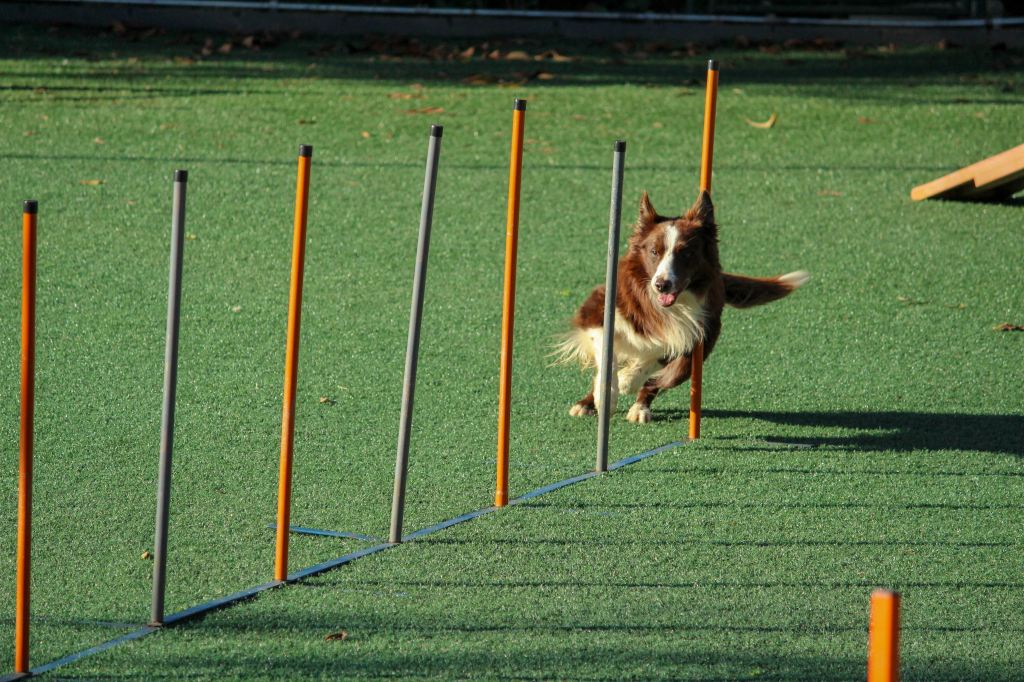
Positive dog training is a training method that focuses on rewarding and reinforcing desirable behaviours in dogs rather than punishing or correcting unwanted habits. One tool that can be especially effective in positive dog training is the whistle.
Whistles for dog training can provide a clear and consistent signal to a dog, helping them understand what is expected of them and perform the desired behaviour more reliably. In this article, we’ll examine how whistles can be used in positive dog training and the benefits they can offer.
Understanding positive dog training
Before diving into how whistles can be used in positive dog training, it’s essential to understand what it is all about. Positive dog training is based on the idea that dogs are more likely to learn and repeat desirable behaviours when rewarded.
This can be accomplished through positive reinforcement, which involves rewarding the dog with treats, praise, or toys when they perform the desired action. By using positive reinforcement, dogs are encouraged to repeat the behaviour because they associate it with something pleasurable such as a treat or their favourite toy or game.
In contrast, traditional dog training methods often involve punishment or negative reinforcement to correct unwanted behaviours. This can include shouting at the dog, hitting them, or using a shock collar. While these methods may work in the short term, they are considered cruel because they can damage the dog’s emotional well-being and make the behaviour worse over time.
How whistles can be used in positive dog training
Whistles can be a powerful tool in positive dog training because they provide a clear and consistent signal to the dog. This can help them to understand what is expected of them and to perform the desired behaviour more reliably. You can use whistles to teach a dog any desirable action.
Recall training
Recall training is an integral part of dog training, as it can help to ensure that your dog comes back to you when you call them. Whistles can be an excellent tool for recall training because they provide a clear and consistent signal that your dog will come to associate with returning to you.
To train your dog to come when you blow the whistle, start by blowing the whistle and then rewarding your dog with treats and praise when they come to you. Gradually increase the distance between you and your dog, and reward them with treats and praise every time they come to you.
Training specific behaviours
Whistles can also train specific behaviours like sitting, lying down, or tricks. To use a whistle for behavioural training, start with a voice command, then blow the whistle in an assigned command and reward your dog with treats and praise when they perform the desired behaviour. You can strengthen their training by using a dog training clicker to mark a successful action.
Repeat this process until your dog begins to associate the whistle sound with the action you’ve taught them. Over time, you can gradually reduce the frequency of the treats and praise until your dog performs the behaviour reliably on their own.
The benefits of using whistles in positive dog training
Using whistles in positive dog training can offer many benefits and can make your training efforts even more effective. Many people prefer using a whistle to train their dog once they have gotten to grips with the process. Here are a few advantages of using whistles to train your dog.
Clear and consistent training signals
One of the biggest benefits of using a whistle in dog training is that it provides a clear and consistent signal to your dog. Unlike using verbal commands, which can vary in tone, volume, and delivery, a whistle produces a consistent sound that is easy for your dog to recognise and understand. This can be particularly helpful in noisy environments or when you need to communicate with your dog from a distance.
Another advantage of using a whistle is that it can be standardised across a group of dogs which is particularly useful for professional dog trainers or dog sports competitions. Using the same whistle for all dogs in a group ensures that each dog receives the same signal and can respond accordingly, eliminating any confusion or inconsistency that could arise from using different verbal cues for each animal.
 FastNarrative