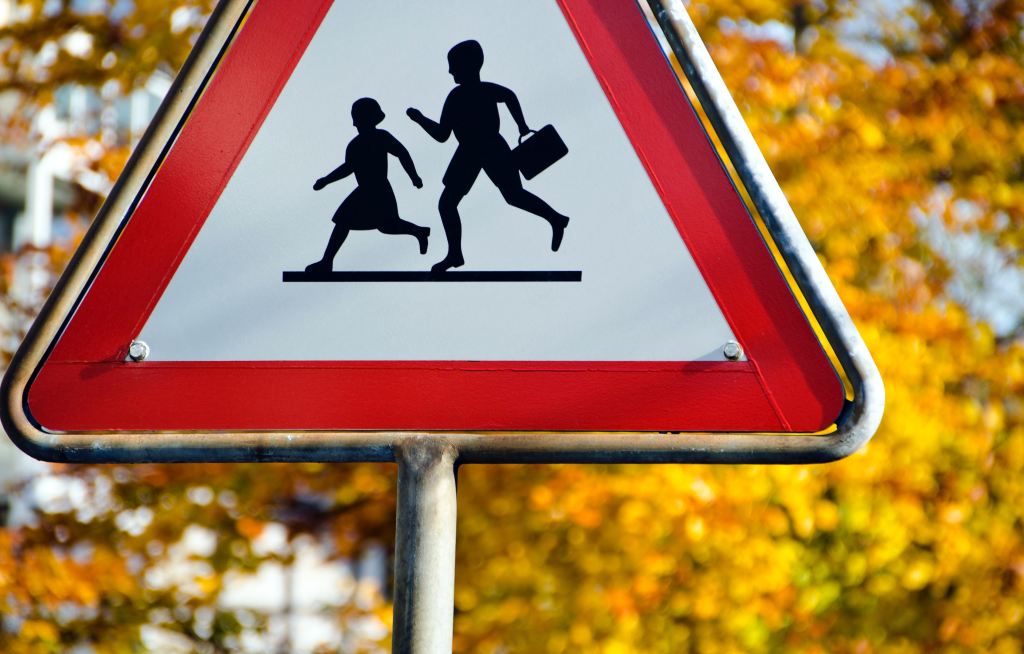
The importance of road safety cannot be overstated. Due to their natural vulnerability and tendency to act impulsively, children are particularly at risk. They may also struggle with judgement and risk assessment; hence, educating your children about the dangers of the road should be an open and ongoing conversation. By teaching our young people about traffic rules and encouraging appropriate behaviour, we can all make a conscious effort to reduce accidents and prevent injuries. Here are some road safety tips every child should learn.
Stop, Look, Listen, Think
Teaching your child to stop, look, listen and think before crossing the road is vital for their safety and your peace of mind. Before crossing any road, encourage them to:
- Stop – Is this an appropriate place to cross? Is there a pedestrian crossing nearby? If not, is it reasonably safe to cross this particular stretch of road without a designated crossing?
- Look – Is there any traffic coming? Looking both ways for hazards is a crucial step before crossing the road.
- Listen – Listen for traffic. Can you hear any cars coming?
- Think – Is it safe to cross? Is there somewhere you can wait if you have to stop halfway, like a pedestrian island?
Use Crossings
Pedestrian crossings are there for your safety. They are designed with features such as zebra markings, traffic lights, or pedestrian signals that encourage drivers to yield. Pedestrian crossings go beyond safety; they are legally mandated in many countries, including the United States, Canada, Australia and Singapore, where you can be fined $50 for your first offence, and up to $1000 and a jail term of 3 months for repeat violations. Fortunately, Singapore is a highly pedestrianised area featuring a comprehensive network of pathways and crossings.
Set A Good Example
Children learn by mimicking their peers and caregivers. Whether you like it or not, your child’s behaviour and values are intrinsically influenced by your own. As such, setting a good example for your kids is imperative. Demonstrate safe and responsible behaviour when out in busy urban areas, taking care to stop, look, listen and think before you cross the street. By consistently demonstrating responsible practices, you solidify the importance of being cautious and considerate on the roadside.
Be Safe, Be Seen
Many road accidents involving pedestrians occur during the afternoon and evenings when the light is low, and visibility is reduced. Brightly coloured clothing can enhance visibility, making it easier for drivers to see pedestrians, including children. You can practise this by wearing coats and bags featuring bright hues or reflective strips, especially during dusk or nighttime activities. Consider purchasing a high-visibility vest for your child to wear while walking to and from school in low-light conditions.
Practice Safe Driving Habits
While it is crucial to demonstrate and encourage safe habits as a pedestrian, promoting safe and appropriate behaviour as a driver or passenger is equally important. This means being a conscientious driver and sticking to the rules of the road at all times. It is also wise to teach your children the importance of safety features such as seat belts and booster seats. In fact, according to the law, your car must be equipped with a booster seat in Singapore if your child is below the height of 1.35m.
Cycling Safety
Learning to ride a bike is widely considered a rite of passage. However, early road safety education is crucial for keeping young bike riders safe. Along with teaching your child essential safety rules, obeying traffic signs, using hand signals and the importance of wearing a helmet, this is an opportunity for you to introduce them to basic traffic rules and proper road etiquette. Instilling road safety awareness in children from an early age fosters lifelong safe practices, significantly reducing the chances of your child being involved in a road traffic accident later in life.
Road Signs
Teaching your child the meaning behind the various road signs in your area will help them be more responsible and aware of their surroundings in busy, urban areas. Moreover, it familiarises them with essential rules of the road, such as speed limits, stop signs, yield signs, and other important traffic control devices. This knowledge will be valuable when they start cycling and eventually learn to drive, enabling them to navigate roads safely and confidently.
 FastNarrative